
Current State
There is generally good news in the market, which is very welcome, but with the appreciation that the market may change quite quickly.
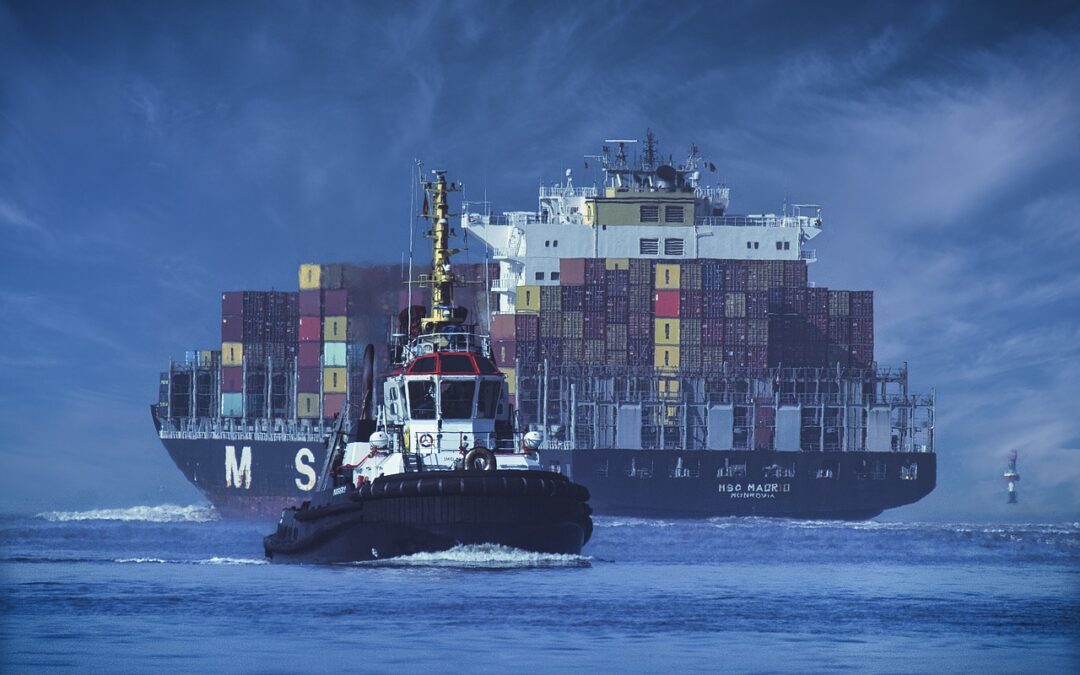
Diversions around the Cape of Good Hope are now well established with the Suez Canal still not offering safe passage due to the on-going conflict in the region. The drought which affected the Panama Canal has lifted and conditions continue to improve with delays to the US West Coast shortened. However, there is still the requirement to give increased notice to secure space on a vessel. The suggestion for those shipping is that they plan well in advance with our Move Management team to allow sufficient time to book appropriate vessels so that moving schedules can be met.
There continues to be a shortage of empty sea containers to be swiftly available for re-loading and export. Due to this imbalance, sometimes the quality of container provided is unfit for purposes and we must reject it which will impact preferred moving dates. The current process of packing containers at the warehouse rather than on site, helps overcome some of the issues caused by the shortage of good containers impacting collection dates.
Good News
The shortage of UK drivers continues to ease, with many shipping lines actually withdrawing the ‘Driver Retention Surcharge’. In another piece of good news, there are remarkably no known strikes planned at UK Ports. I know, how refreshing!
Lithium-Ion Batteries: A Warning
The fire issues around Lithium-Ion (L-ION) batteries are becoming a far more serious matter to consider. Firstly, it is worth noting that the Shipping Lines have not yet agreed to standardise their rules regarding the shipment of these batteries. It appears that shipments which include L-ION batteries are dealt with on a case-by-case basis as to whether the Shipping Line will ship them.
Secondly, L-ION batteries found in cordless power tools, laptops, e-scooters, e-bikes and similar items must be declared as Hazardous Cargo. We must get permission from the Shipping Line to include such batteries as hazardous cargo, and not all of them accept this type of cargo. There will inevitably be a freight surcharge and it may take more time to secure confirmed space on a vessel with cargo including these batteries.
Failure to declare L-ION batteries is treated by the Shipping Line as a ‘misdeclaration’, which is a serious offence under Maritime Law and result in a significant fine and loss of the consignment.
We recommend that when shipping household goods, do not ship LI-ION batteries, but if your assignees do ship these batteries, they should be aware that they must declare that information and there could be other knock on affects.